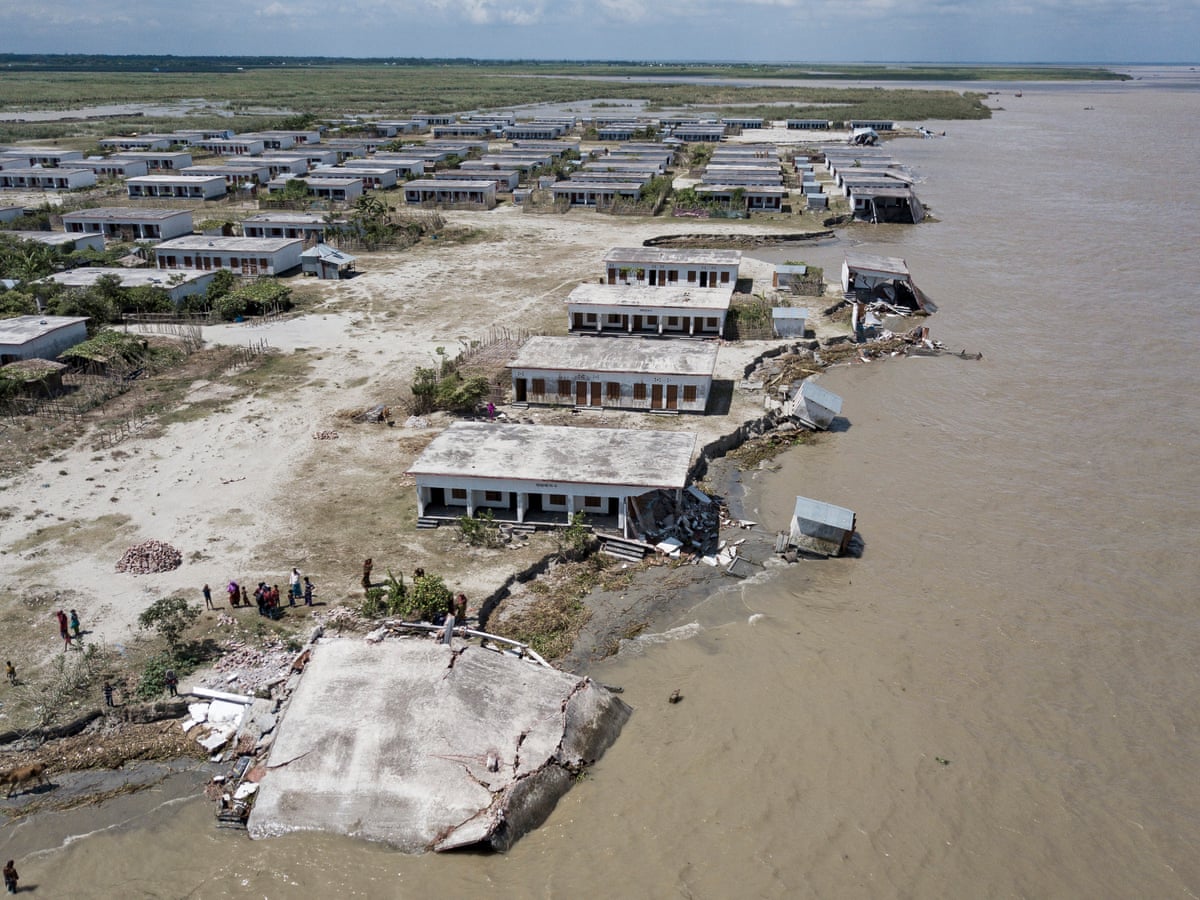
Rising ocean levels are reshaping coastlines and threatening major cities across the globe, according to new climate data released this week. Scientists warn that without rapid reductions in greenhouse gas emissions, millions of people could be displaced by 2050.
Cities such as Miami, Jakarta, and Bangkok are already experiencing frequent “sunny day flooding,” where high tides push seawater onto streets even without storms. Satellite measurements show that global sea levels have risen by more than four inches since the early 1990s — and the pace is accelerating.
Governments worldwide are investing billions into sea walls, stormwater systems, and flood defenses. The Netherlands continues to expand its movable barrier network, while U.S. coastal communities face rising insurance costs and property damage.
Climate scientists emphasize that even if global emissions were reduced immediately, oceans would continue to rise for decades due to heat already stored in seawater.
Some governments are now considering managed retreat — relocating entire neighborhoods away from coastlines. Economists warn that rebuilding repeatedly in flood-prone zones could cost far more in the long run.
“Sea-level rise is not a distant threat,” said Dr. Maria Alvarez, a climate researcher. “It is already reshaping how and where people live.”
Reader Comments
Coastal flooding has already begun affecting local businesses. High tides regularly overwhelm our drainage systems.
Denmark’s long-term flood defenses show that proactive planning can work when governments take climate risks seriously.
Every monsoon season feels worse than the last. Sea-level rise is already impacting daily life here.